
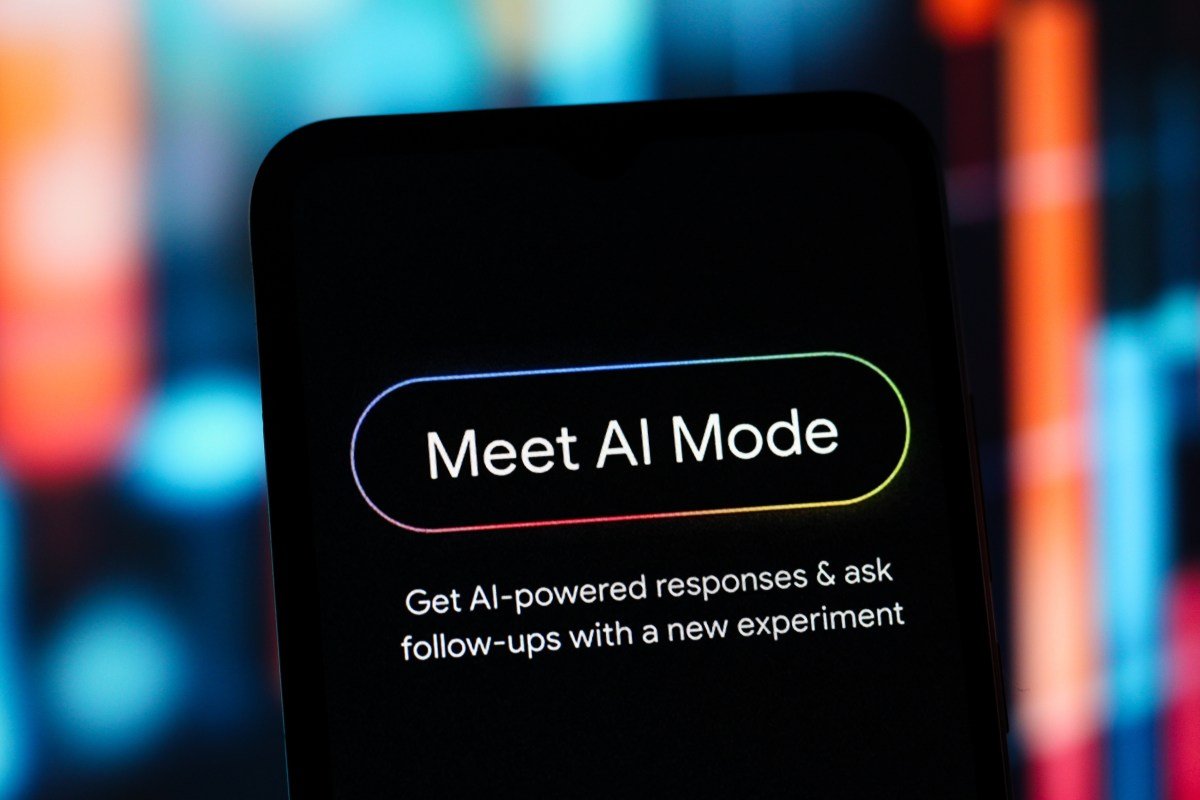
Updated October 24, 2026. Google announced changes to AI Mode and AI Overviews on October 15, with a focus on helping people discover original websites from AI-powered search results. The changes include more visible source links and experiments with new ways to display official websites, articles and creator information. None of these changes guarantees more traffic or higher rankings for an individual publisher.
What did Google announce?
In its October 15 product announcement, Google outlined changes affecting how sources are displayed in AI-powered Search. Some features are rolling out, while others remain experiments. Availability may vary by region, language and search experience.
Five changes explained
1. More prominent inline source links
Google says it is making links within AI-generated responses easier to discover. More visible links may help people find original reporting and useful websites, but visibility does not guarantee clicks.
2. Testing prominent placement for official websites
Google is testing a treatment that highlights official destinations for certain tasks. This is not a universal ranking position or a promise that every brand website will receive special placement.
3. Expanding timely-news carousels
Google described broader availability of news-related carousels and integration with Preferred Sources in some experiences. Publishers should not assume that publishing more frequently automatically earns placement.
4. More visual links to related articles
Google is experimenting with links that include thumbnails in some AI responses. Clear headlines and relevant imagery help people understand the destination, although they do not guarantee inclusion.
5. Testing creator and publisher profile links
Some video results may include clickable creator or publisher information. Such links help users identify a source; they are not an endorsement of the creator or proof of expertise.
What this means for SEO, AEO and GEO
These announcements do not replace established search fundamentals. Google’s people-first content guidance encourages useful, trustworthy information written for readers. Publishers should prioritize original reporting, accurate sourcing, descriptive headings, accessible images and meaningful internal links. No specific markup or keyword formula guarantees citations in AI-generated answers.
Practical checklist for publishers
- Use primary sources: Link to official announcements, release notes and documentation where possible.
- Separate facts from interpretation: Explain which features are launched and which are only being tested.
- Write useful summaries: Answer the central question early, then provide context and limitations.
- Improve discoverability: Keep pages crawlable, mobile-friendly and internally linked.
- Use relevant visuals: Distinguish illustrations from actual interface screenshots.
- Measure outcomes: Compare Search Console performance over time rather than promising instant traffic gains.
How should readers respond?
When assessing changes to AI-powered Search, read the original product announcement and watch for later rollout updates. For related background, see our guide to agentic AI and overview of no-code development.
Frequently asked questions
Will these changes increase website traffic?
Not necessarily. More visible source links create opportunities for discovery, but actual visits depend on relevance, placement and user behavior.
Are AI Mode and AI Overviews the same?
No. AI Mode provides a conversational search experience, while AI Overviews can appear within conventional Google Search results.
Does Google require special GEO schema?
Google has not announced a dedicated GEO schema requirement for inclusion in AI answers. Follow its published Search guidance and use structured data only where it accurately describes page content.
When were these changes announced?
Google published its announcement on October 15, 2026. Some features are experiments rather than universal releases.
Sources and editorial note
Primary source: Google’s October 15 announcement. Additional reporting: The Verge. SEO guidance: Google Search Central. This article summarizes published information and does not claim hands-on testing of every rollout market.

1 Comment
Pingback: 7 AI Tools for Small Business in 2026 Compared - Articles Stock