
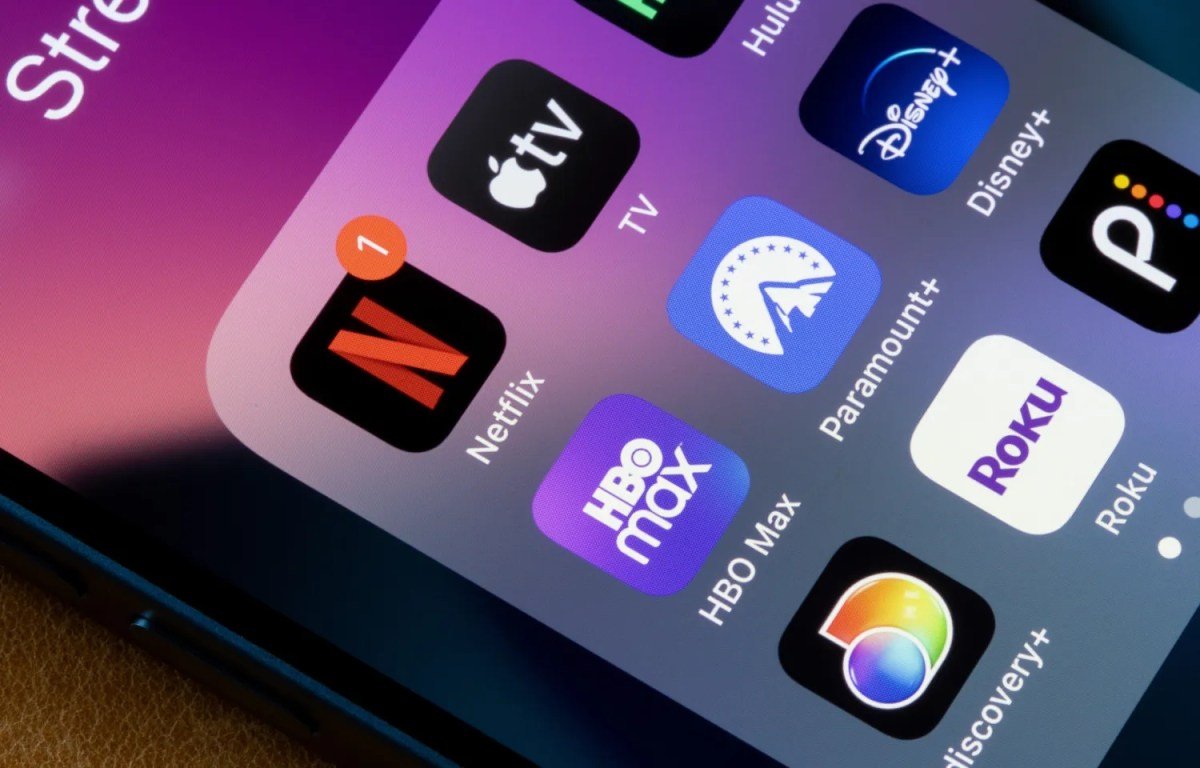
**The Netflix-Warner Bros. Deal: What You Need to Know (And What It Means for You)**
As we kick off a brand new year, the streaming world has just gotten a whole lot more interesting. Netflix, already the behemoth of the streaming industry with over 325 million subscribers, has made a daring move by acquiring Warner Bros.’ movie and TV studios, as well as HBO, HBO Max, and other assets. The deal, announced back in early December, brings together some of the most legendary franchises under one roof, including Game of Thrones, Harry Potter, and DC Comics properties.
So, what does it all mean? As we break down the deal, we’ll dive into the latest developments, what’s at stake, and what may come next.
**The Backstory**
It all began back in October when Warner Bros. Discovery (WBD) revealed it was exploring a potential sale after receiving unsolicited interest from several major players in the business. For years, WBD has struggled under the burden of billions of dollars in debt, compounded by declining cable viewership and fierce competition from streaming platforms. These financial pressures forced the company to consider major strategic changes, including selling its entertainment assets to one of its rivals.
**A Fierce Bidding War**
The bidding process quickly turned competitive, with several major players vying for Warner Bros.’ assets. Paramount and Comcast emerged as serious contenders, with Paramount initially considered the front-runner. However, Netflix’s offer was ultimately deemed the most attractive, despite Paramount offering roughly $108 billion in cash. Netflix’s bid focused specifically on the movie, TV, and streaming assets, while Paramount aimed to acquire the entire company.
**Regulatory Hurdles**
Given the unprecedented scale and market influence of the deal, regulatory scrutiny is intense and remains a major obstacle to closing the transaction. In November, prominent lawmakers voiced their concerns to the Justice Department’s Antitrust Division, warning that such a massive merger may have critical implications for consumers and the industry at large.
**Concerns Within the Industry**
Reactions from the entertainment industry have been largely negative. The Writers Guild of America has been among the most vocal critics, demanding that the merger be blocked on antitrust grounds. Insiders fear that the acquisition will squeeze independent creators and diverse voices out of the spotlight, ultimately narrowing the range of stories that get told. There are also widespread concerns about potential job losses and lower wages.
**What Does It Mean for Subscribers?**
What does all this mean if you’re a Netflix or HBO Max subscriber? Netflix executives have reassured viewers that HBO’s operations will remain largely unchanged in the near term. At this stage, the company says it’s too early to make any definitive announcements about potential bundles or app integration. Concerning pricing, Netflix co-CEO Ted Sarandos has said that no immediate changes will occur during the regulatory approval period. However, subscribers should be aware that Netflix has traditionally raised subscription prices frequently, so price increases are possible once the acquisition is finalized.
**When Will the Deal Close?**
The Netflix-WBD deal is not yet final. A WBD stockholder vote is expected around April, with the deal anticipated to close 12 to 18 months after that vote. However, regulatory approvals are still pending, and scrutiny may shape the final outcome.
Stay tuned for further updates on this groundbreaking deal and what it means for the future of streaming!
