
Canada Just Gave the Green Light to Chinese EVs: What’s Next for the US Market?
In a move that’s got the auto world buzzing, Canadian Prime Minister Mark Carney announced yesterday that his country is slashing the 100% import tax on Chinese electric vehicles (EVs) to a mere 6.1%. This decision could pave the way for Chinese automakers like Geely, BYD, and Xiaomi to enter the North American market, but don’t get too excited just yet.
Here’s the catch: Canada is capping the number of annual imports at 49,000, with that number increasing to around 70,000 in about five years. It’s a compromise that will allow these Chinese EVs to hit US shores, but it’s not a complete free-for-all.
This move comes at an interesting time. China is trying to boost its EV exports, especially as the European Union considers lowering its own tariffs on the vehicles. The US, however, remains a holdout, with President Trump recently suggesting he’d be open to Chinese automakers building factories in the US to produce EVs.
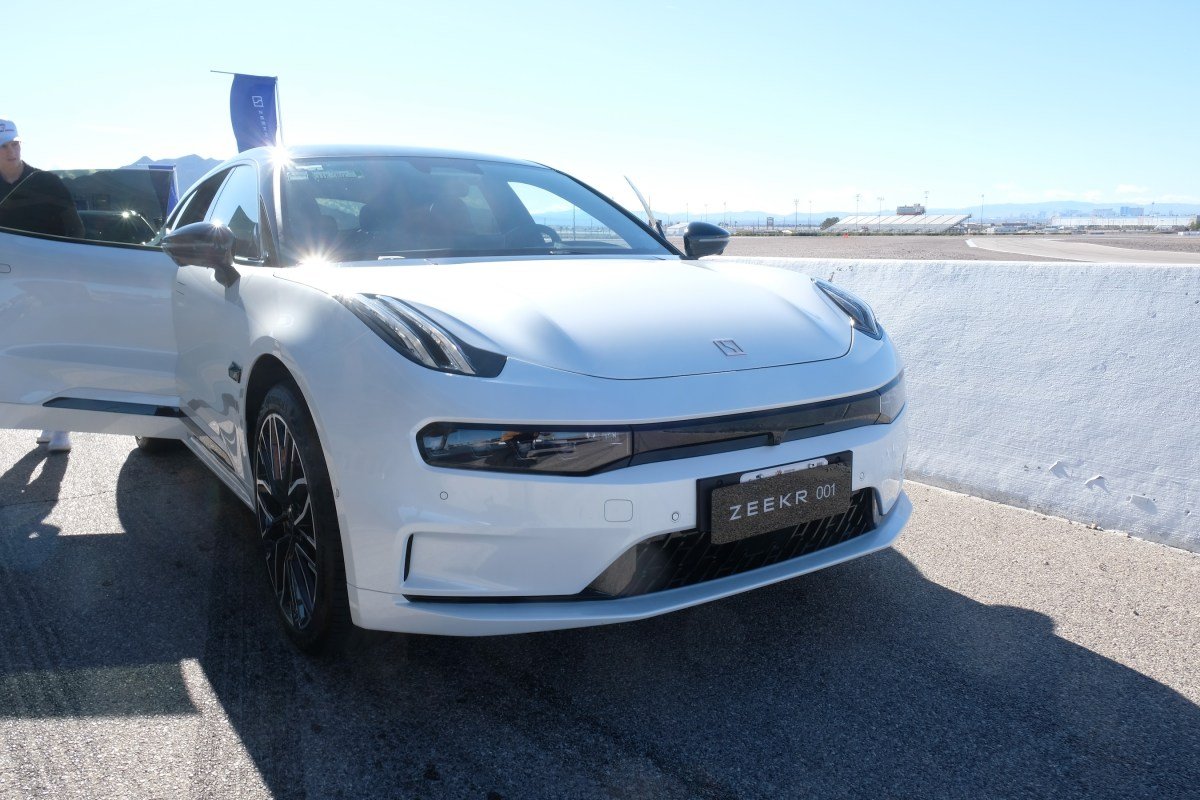
So, what does this mean for the US market? Well, Chinese automakers have already been exporting fuel, hybrid, and electric vehicles to Mexico, with the latter booming in 2025. Major EV makers in China, including Geely, have been itching to enter the US market, with Geely even holding a demo day at the Consumer Electronics Show in Las Vegas last week. While they were showcasing models intended for the Mexican market, one of their executives hinted that an entry into the US market is just around the corner, within the next two to three years.
Automotive journalists, influencers, and even some executives have praised the quality of Chinese EVs in recent years. The tariff on Chinese vehicles has made the idea of exporting them to the US a non-starter, despite Chinese EVs being significantly cheaper than their American counterparts. A combination of low capital, labor costs, and a willingness to lose money to gain market share have allowed Chinese EVs to undercut other manufacturers.
But not everyone is pleased with the prospect of Chinese EVs entering the US market. Avery Ash, CEO of non-profit Securing America’s Future Power, cautioned against President Trump’s idea of allowing Chinese automakers to build cars in the US. “We’ve seen this approach backfire in Europe and elsewhere – it could have potentially catastrophic impacts on our automotive industry, have ripple effects on our entire defense industrial base, and make every American less secure,” he said in a statement. “We urge the President to remain strong against China and protect American auto producers and workers.”
So, will this new tariff policy mark the beginning of a new era in the US auto market? Only time will tell.
