
**The Weird and Wonderful World of Physical AI in Cars: How Chipmakers are Poised for a Quantum Leap**
I’ll admit it, “Physical AI” sounds like a bit of a mouthful. It’s a term that’s been bandied about in marketing circles, but what does it actually mean? For me, it’s a reminder that the automotive industry is in the midst of a tech revolution, and chipmakers are leading the charge.
I recently had the chance to check out the latest innovations at CES, and let me tell you, it was a wild ride. Robots doing backflips, autonomous vehicles taking the stage, and chipmakers touting their wares like they were going out of style. Amidst all the fanfare, it was clear that Physical AI is more than just a buzzword – it’s a glimpse into a future where cars and robots coexist in a world of complexity and possibility.
So, what is Physical AI, anyway? In a nutshell, it’s about how autonomous systems interact with the real world, using camera and sensor data to make sense of what’s around them and perform tasks that require a level of intelligence and nuance. It’s about humanoid robots working alongside human engineers in factories, cars driving themselves in the midst of heavy traffic, and the seamless handoff between human drivers and autonomous systems.
The companies making the most noise about Physical AI are, unsurprisingly, chipmakers like Nvidia and ARM. Nvidia recently announced a new line of AI models designed specifically for autonomous systems, while ARM debuted a Physical AI division at CES. What’s their angle? Well, it’s simple: as the demand for autonomous tech continues to grow, so will the demand for powerful computing assets – and they’re poised to make a pretty penny off it.
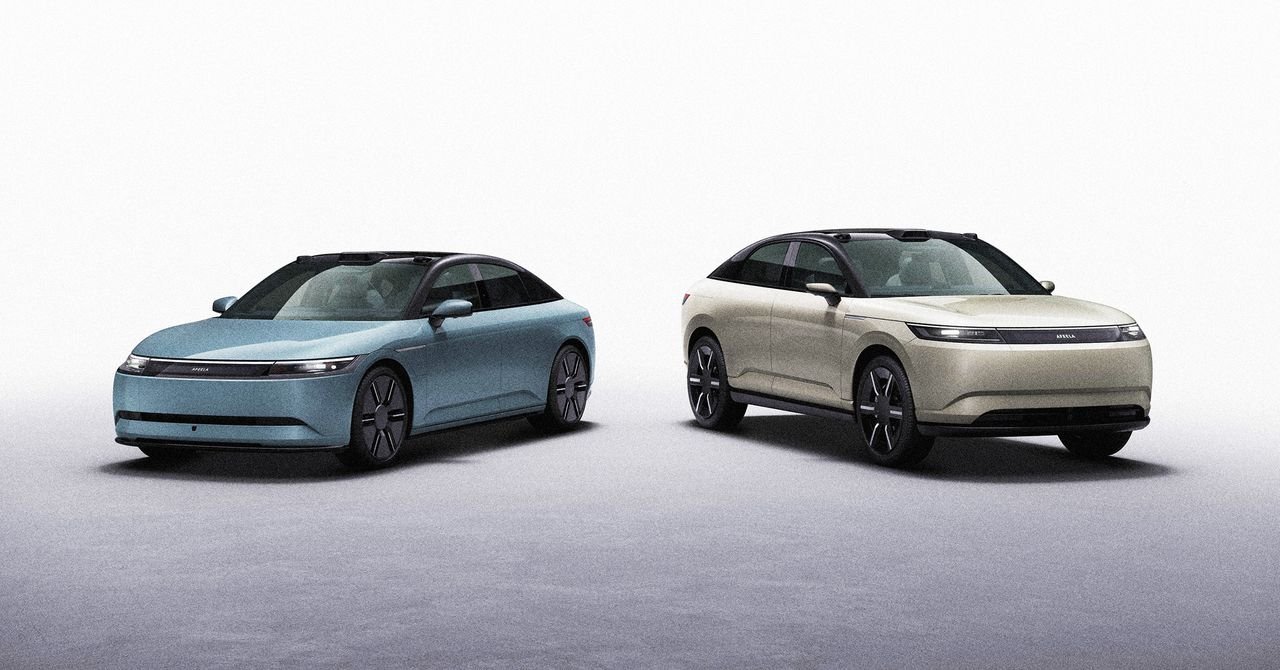
Take, for instance, the parade of autonomy-related announcements at CES. Ford plans to offer a system that lets drivers operate their cars without looking at the road ahead by 2028. The Afeela, a collaboration between Sony and Honda, will eventually drive itself in most conditions. Nvidia will supply the chips for Geely’s “smart driving system,” which will transition to high-level autonomous driving in the future.
As Nvidia CEO Jensen Huang so colorfully put it, “The central mind of the car will now be quantum leaps larger – hundreds of times as big – and that’s what [chipmakers] are selling into.” Mark Wakefield, the global automotive market lead at AlixPartners, agrees. “They see a huge future in these cars.”
No wonder chipmakers are so excited about Physical AI – it’s a huge business opportunity, and they’re poised to cash in. But what does it mean for the rest of us? For me, it’s a reminder that the future of transportation is here, and it’s going to be a wild ride.
